Step | Action | Purpose | CVE’s Technology/Method |
1: Assessment & Source Identification | A certified inspector conducts a thorough visual inspection and uses specialized tools to find the moisture source. | Mold cannot be eliminated without first stopping the water or moisture that feeds it. Finding the source is the most critical step. | Moisture meters, thermal imaging cameras to detect hidden water within walls and ceilings.31 |
2: Containment | The affected area is sealed off from the rest of the house using plastic sheeting and physical barriers. | To prevent the cross-contamination of mold spores to unaffected areas during the removal process. | Creation of a sealed containment zone with negative air pressure to ensure airflow is directed out of, not into, the living space.33 |
3: Air Filtration | High-efficiency particulate air (HEPA) filters and “air scrubbers” are run continuously within the containment zone. | To capture microscopic mold spores that become airborne during the removal process, cleaning the air and preventing their spread. | Industrial-grade HEPA air scrubbers that filter airborne particles down to 0.3 microns with 99.97% efficiency.47 |
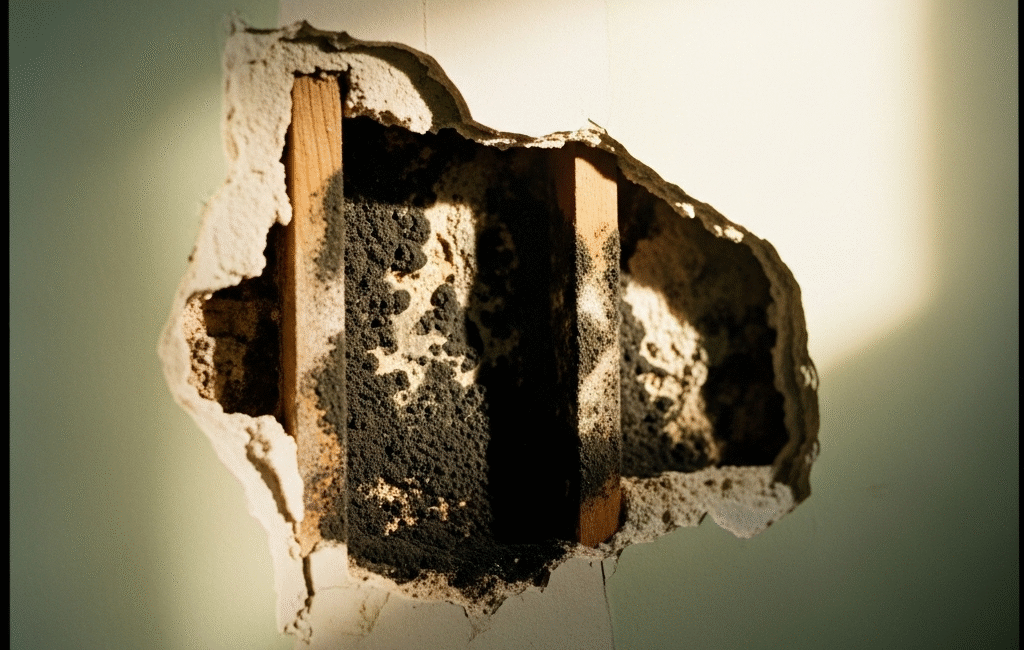
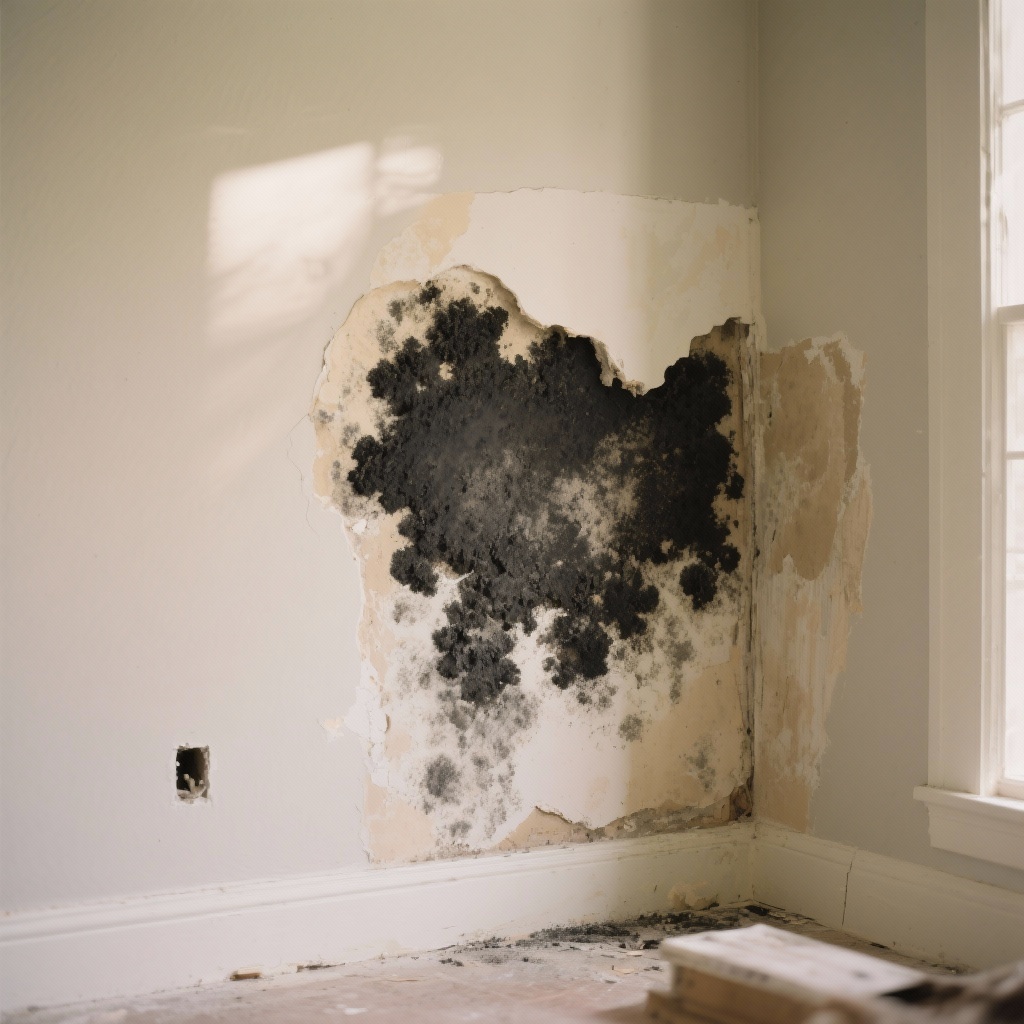
4: Removal of Contaminated Materials | Porous materials that are heavily contaminated, such as drywall, insulation, and carpet, are carefully removed and discarded. | Mold can grow deep into these materials, making surface cleaning ineffective. Removal is often the only way to ensure complete elimination. | Materials are cut out, sealed in heavy-duty bags within the containment zone, and disposed of according to local regulations.47 |
5: Cleaning & Sanitizing | Non-porous or semi-porous materials (like wood studs or concrete) are cleaned using specialized methods and antimicrobial solutions. | To kill any remaining mold spores and prevent future growth on salvageable materials. | HEPA vacuuming to remove surface spores, followed by cleaning with EPA-registered antimicrobial agents.33 |
6: Drying & Verification | The cleaned materials are thoroughly dried using industrial fans and dehumidifiers. A final inspection is performed. | To ensure that all moisture has been eliminated, removing the conditions necessary for mold to return. | High-velocity air movers and low-grain refrigerant dehumidifiers are used to achieve target moisture levels. A final visual inspection and, if necessary, clearance testing confirms success.49 |